In 2025, more and more companies are telling their fleets, “Thanks, but this just isn’t it anymore” — and instead of buying cars, they’re switching to short- or mid-term rentals. And it’s not some temporary trend; it’s a cold, calculated business decision. Here are the reasons driving this shift.
1. Owning a car is a financial joke — just without the punchline
Companies finally realised that having their own car means dealing with:
- monthly insurance,
- servicing (and of course it breaks on a Wednesday right before an important meeting),
- tire changes,
- inspections,
- depreciation,
- value dropping faster than inflation,
- random repairs that cost a small fortune (“7,000 zł for that? Seriously?”).
And the best part? The car just sits there.
It’s used maybe 10–20% of the time, yet the company pays 100% of the costs.
Renting flips the whole situation:
You only pay when someone actually uses the car. Zero risk, zero surprise invoices that make your heart skip a beat.
2. Flexibility > ownership, because business today changes faster than TikTok trends
Companies run on projects.
One month you’ve got five teams in the field, the next you only need one car.
Owning a fleet = a cage.
Renting = freedom.
Real-life examples:
a start-up hires 3 people “starting tomorrow” → rental saves the day, because buying a car “by tomorrow” is about as real as spotting a unicorn in the parking lot.
a construction company suddenly gets a contract 120 km away → rents a car for a week, done and dusted,
an e-commerce brand hits peak season → grabs two extra cars and returns them when the chaos calms down,
3. Service, repairs and other corporate dramas? No one in the office wants to deal with that anymore
Owning company cars = extra workload for someone at the desk.
Someone has to:
- find a workshop,
- drop the car off,
- pick up a replacement,
- keep track of inspections,
- handle the insurance circus.
Renting flips the script:
“Hello, something happened → we swap the car and keep moving.”
The company works, earns, and doesn’t waste time.
That’s the difference between “we’re getting things done” and “we’re standing around watching the clock tick.”
4.Freezing cash like a supermarket freezer
A car worth 80,000 PLN basically means:
- money frozen solid,
- monthly leasing payments,
- costs that choke the company.
Meanwhile, that same cash could be used for:
- marketing,
- hiring people,
- equipment,
- growth,
- literally anything that makes money instead of losing value every single day.
That’s why companies would rather pay 1,000 PLN a month for rental than drop 80k upfront and wait for the financial headache to kick in.
5. Premium for peanuts — because renting a class upgrade can cost less than a pizza
Companies are realizing more and more that:
- Lexus UX,
- Toyota Camry,
- Mazda CX-5
…in rental form cost just a little more than a Corolla.
Own a premium fleet? Forget it.
Maintaining it is a financial headache.
Premium rental?
You pay for quality → use it → return it → done.
Sales teams and managers are happy because they don’t have to show up to clients in a “barely Corolla” anymore.
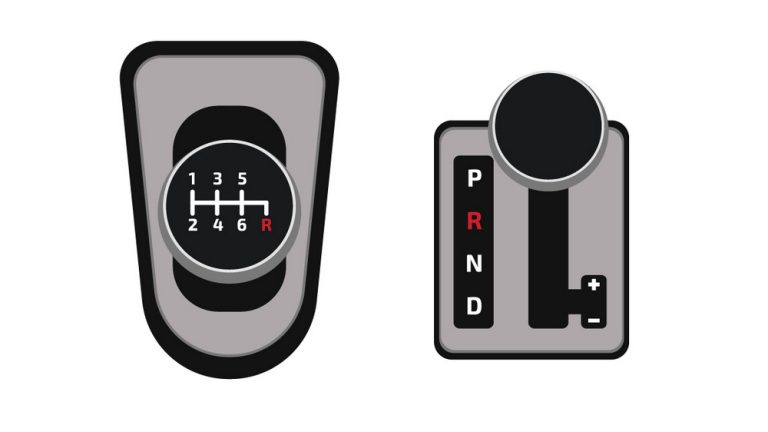
6. Employees don’t want old clunkers or 2007 manual cars
Companies have noticed that:
- a new car = fewer breakdowns,
- automatic = less stress,
- hybrid = cheaper in the city,
- good features = employees don’t hate their lives.
Recruiting in 2025:
“We have a fleet, but… some of the cars are a bit old.”
Candidate: “Thanks, no thanks.”
Companies now prefer renting new rides instead of embarrassing themselves with a fleet stuck in the “Here We Go Again” Abby era.
7. Accounting loves rentals because it’s as clean as a freshly washed SUV
Renting means:
- clear costs,
- simple invoices,
- zero depreciation headaches.
Companies just add it to their expenses and move on.
No more “the car lost 30% of its value in two years, now what?”
Not their problem.
8. The global trend: from ownership to “pay only when you use it”
Just like what happened with:
- music (Spotify),
- movies (Netflix),
- e-scooters,
- city bikes,
- coworking spaces.
Companies have realized: we save money when we only pay for what we actually use.
So car rentals are the natural next step.
Ownership is 2010.
2025 = rental and flexibility.