
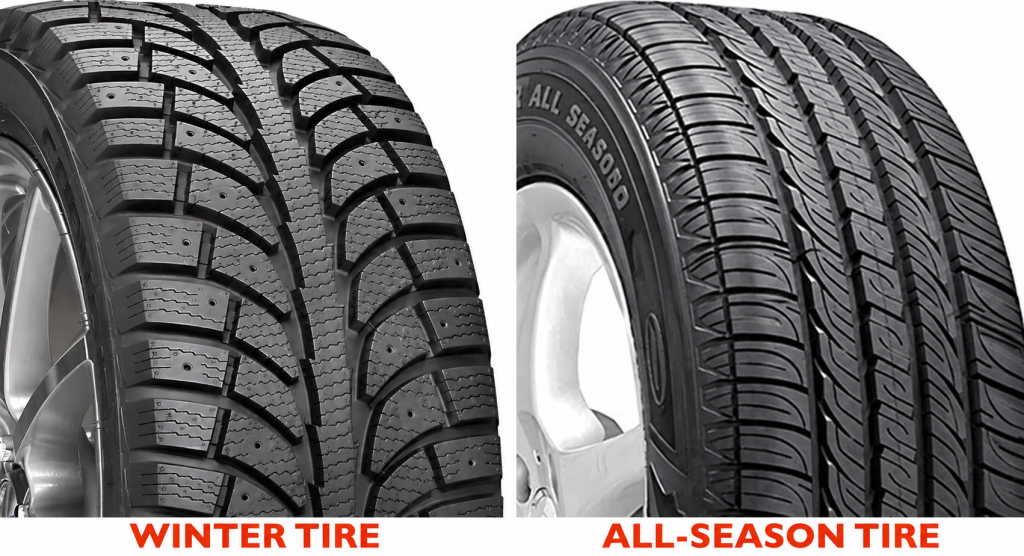
As temperatures begin to drop, many drivers face the same question: all-season or winter tires – which should you choose? Is changing tires twice a year really necessary, or can modern all-season tires provide sufficient safety throughout the colder months?
The answer depends on several factors, including driving conditions, annual mileage, local weather and individual driving habits.
What Is the Difference Between All-Season and Winter Tires?
Winter tires are specifically designed for low temperatures, snow, slush and icy roads. Their rubber compounds and tread patterns help maintain traction in challenging winter conditions.
All-season tires, on the other hand, are designed as a compromise between summer and winter tires. They offer year-round convenience without requiring seasonal tire changes.
However, this does not mean both types perform equally well in every situation. In demanding winter conditions, high-quality winter tires generally provide a greater safety margin than all-season alternatives.
Are All-Season Tires Safe in Winter?
Modern all-season tires can perform well during mild winters, particularly in urban areas where roads are regularly cleared of snow.
One important factor is the tire’s certification. The 3PMSF symbol, featuring a snowflake inside a three-peaked mountain, indicates that the tire meets specific snow traction performance requirements.
The M+S marking alone does not provide the same standardized confirmation of winter performance.
It is also important to remember that tire safety depends on more than the tire category. Tread depth, tire pressure, overall condition and product quality all play significant roles.
When Should You Choose Winter Tires?
Winter tires are particularly recommended for drivers who:
- Frequently travel through mountainous regions.
- Regularly encounter snow-covered or icy roads.
- Drive long distances regardless of weather conditions.
- Travel early in the morning or late at night when roads may be icy.
- Want additional traction and braking performance during severe winter weather.
In these circumstances, dedicated winter tires generally provide better grip and braking performance than all-season tires.
When Are All-Season Tires a Good Choice?
All-season tires may be a practical option for drivers who primarily travel within cities, cover relatively short distances and rarely encounter severe winter weather.
Their biggest advantage is convenience. Drivers do not need to arrange seasonal tire changes or store an additional set of tires.
They can also reduce regular tire-changing expenses. However, all-season tires still require maintenance, inspections and replacement when worn.
Are Winter Tires Mandatory in Poland?
Poland does not have a general legal requirement to switch to winter tires during the colder months.
Drivers may therefore use all-season tires throughout winter, provided that the tires meet applicable technical requirements and remain in suitable condition.
However, regulations differ across European countries. Some destinations require winter-approved tires during specific periods or when particular weather conditions occur.
Before driving abroad, it is important to check the current tire regulations for every country along your route.
All-Season vs Winter Tires – Which Should You Choose?
There is no single tire type that is ideal for every driver.
If you mainly drive in urban areas, experience relatively mild winters and cover shorter distances, high-quality all-season tires may be sufficient.
However, if you frequently travel through mountainous regions, drive long distances or encounter challenging winter conditions, dedicated winter tires will generally be the safer choice.
The key is to choose tires based on your actual driving conditions rather than simply the season.
Planning a Winter Road Trip? Safety Comes First
Whether you are driving your own vehicle or renting a car, checking tire condition, tire pressure and the weather forecast before setting off is essential.
At GO Rental Cars, you can choose a rental vehicle suited to your travel needs, whether you are planning short city journeys or longer road trips across Poland.
Proper vehicle preparation and adjusting your speed to road conditions are essential for a safe and comfortable winter journey.