Air conditioning is no longer considered a luxury—it has become a standard feature in most modern cars. On hot summer days, it makes driving much more comfortable and helps drivers stay focused. However, many people still wonder whether using the A/C significantly increases fuel consumption or whether it’s better to simply open the windows.
The short answer is yes, air conditioning does increase fuel consumption—but usually not as much as many people think.
Let’s take a closer look at how it works and what really affects fuel economy.
Why Does Air Conditioning Increase Fuel Consumption?
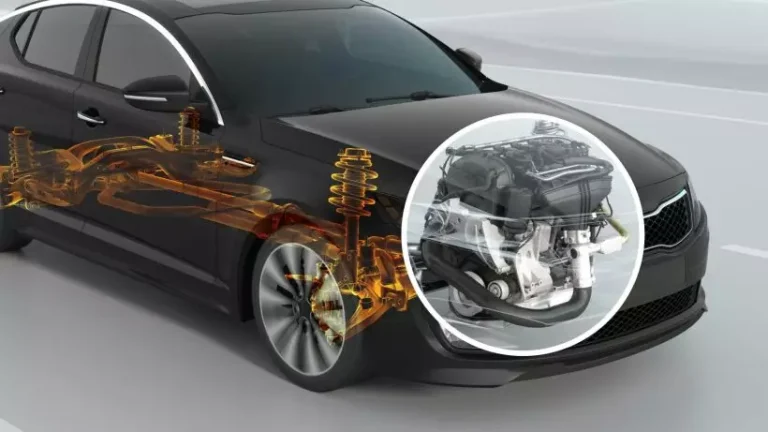
Your car’s air conditioning system is powered by a compressor. In vehicles with internal combustion engines, this compressor is driven by the engine itself.
That means the engine has to produce extra power to operate the A/C system. Since producing more power requires more fuel, fuel consumption naturally increases whenever the air conditioning is running.
Fortunately, modern air conditioning systems are much more efficient than older ones, so the impact on fuel economy is relatively small.
How Much More Fuel Does It Use?
The exact increase depends on several factors, including:
- Outside temperature
- Cabin temperature setting
- Vehicle size
- Engine type
- Driving style
- Traffic conditions
On average, drivers can expect:
- 0.2–0.5 litres (0.05–0.13 gallons) more fuel per 100 km during normal driving.
- Up to 0.8–1.0 litres per 100 km in extremely hot weather when the system works at full capacity.
- Around 5–10% higher fuel consumption in some driving conditions.
For example, if your vehicle normally consumes 6.5 L/100 km, using the air conditioning may increase it to around 7.0 L/100 km.
While this is noticeable, the added comfort often outweighs the small increase in fuel costs.
Why Is the Difference More Noticeable in City Driving?
In city traffic, drivers constantly stop, accelerate and drive at lower engine speeds.
Because the engine has less available power, the air conditioning places a relatively higher load on it, making the increase in fuel consumption more noticeable.
On highways, the engine operates more efficiently and at steadier speeds, so the effect is generally smaller.
Air Conditioning vs. Open Windows
One of the most common questions is whether it’s more economical to switch off the A/C and drive with the windows open.
At Low Speeds
When driving around town at speeds below 50–60 km/h (30–35 mph), opening the windows has very little effect on aerodynamics.
In these conditions, driving with the windows open can be a reasonable alternative to using air conditioning.
At Highway Speeds
The situation changes completely once you reach motorway speeds.
Open windows create additional aerodynamic drag, forcing the engine to work harder.
At 100–140 km/h (60–85 mph), the extra drag can actually increase fuel consumption more than running the air conditioning.
That’s why many automotive experts recommend keeping the windows closed and using the A/C when driving on highways.
Does Air Conditioning Damage the Engine?
No.
Modern engines are designed to operate with the air conditioning running.
Using the A/C does not damage the engine or significantly reduce its lifespan.
The key is to maintain the air conditioning system properly by:
- replacing the cabin air filter,
- checking the refrigerant level,
- disinfecting the system regularly,
- servicing it according to the manufacturer’s recommendations.
A well-maintained system operates more efficiently and places less strain on the engine.
Tips for Using Air Conditioning Efficiently
You can reduce fuel consumption while staying comfortable by following a few simple tips.
1. Ventilate the Car Before Driving
If your vehicle has been parked in direct sunlight, the cabin temperature can exceed 60°C (140°F).
Open the doors or windows for a minute before turning on the air conditioning. This allows the hottest air to escape, reducing the workload on the A/C system.
2. Don’t Set the Temperature Too Low
Setting the climate control to 16°C (61°F) won’t cool the cabin faster.
Instead, it forces the compressor to work harder for longer.
A comfortable temperature between 21°C and 23°C (70–73°F) is usually the most efficient choice.
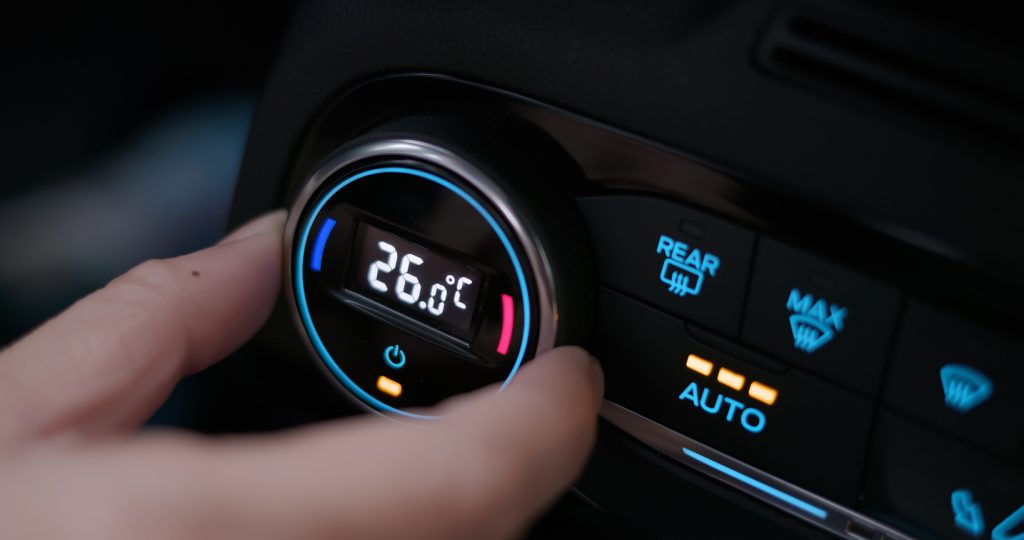
3. Use Automatic Climate Control
If your vehicle has an automatic climate control system, let it do the work.
It adjusts fan speed and compressor operation automatically, maintaining comfort while improving efficiency.
4. Replace the Cabin Air Filter
A clogged cabin filter restricts airflow, making the air conditioning system work harder.
Replacing the filter regularly helps maintain cooling performance and fuel efficiency.
Conclusion
Yes, air conditioning does increase fuel consumption—but the difference is usually modest.
In most modern vehicles, the increase ranges from 0.2 to 1.0 litres per 100 kilometres, depending on driving conditions and outside temperature.
At highway speeds, using the air conditioning with the windows closed is often more fuel-efficient than driving with the windows open.
The best approach is simple: use your air conditioning sensibly, keep it properly maintained and choose a comfortable temperature. You’ll enjoy a cooler, safer journey without significantly increasing your fuel costs.