What’s great, what’s not – and how much does it really cost?
Modern motoring is no longer “the future.” It’s already here — even if most drivers still use traditional combustion-engine cars. Electric vehicles, hybrids, and fuel-saving technologies are now found in almost every new model, whether it’s a compact city hatchback or a car designed for long-distance travel.
But what does this look like in real-world use?
🔋 How Much Does Driving a Hybrid Really Cost in the City vs. on the Highway?
Hybrids (for example, models from Toyota, which has been one of the pioneers of this technology) perform best where conventional cars consume the most fuel — in the city.
✅ In the city:
- the car often runs on the electric motor alone,
- it recovers energy while braking,
- the combustion engine operates less frequently and in its most efficient range.
👉 Result: real-world fuel consumption can drop to 4–5 l/100 km (47–59 mpg) in urban driving.
❌ On the highway:
- the hybrid has little opportunity to recover energy,
- it runs mostly on the combustion engine,
- the additional weight of the battery becomes a disadvantage.
👉 Fuel consumption rises to around 5.5–6.5 l/100 km (36–43 mpg), meaning the difference compared to a regular car becomes much smaller.
Conclusion:
A hybrid is excellent for city driving and short distances.
On highways, its advantage nearly disappears.
⚙️ How Do Electric and Hybrid Cars Work?
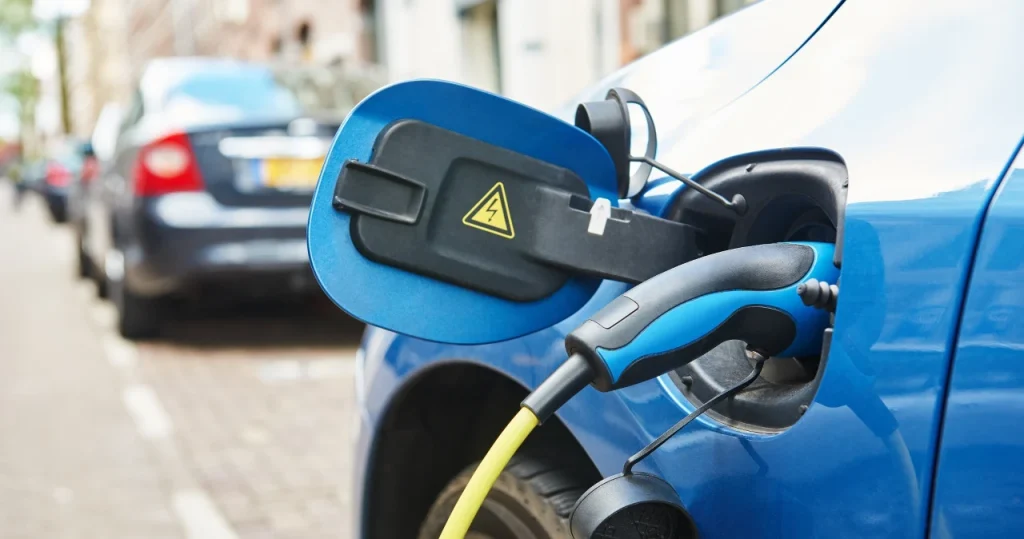
🔌 Electric Car – The Simplest Design You Can Imagine
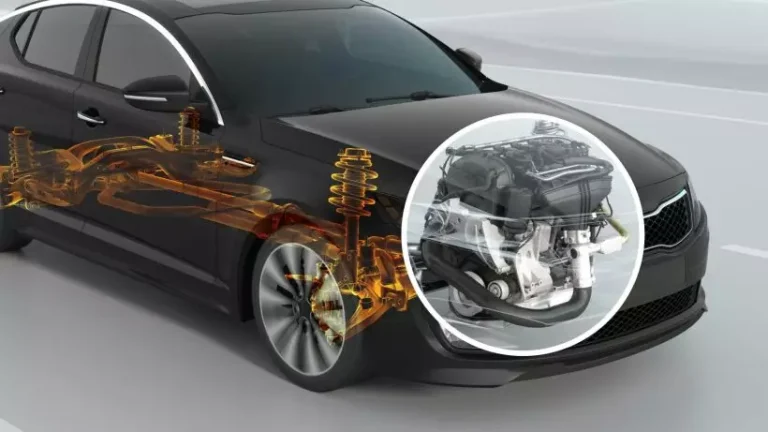
Contrary to what many people think, an electric car is technically simpler than a combustion-engine vehicle.
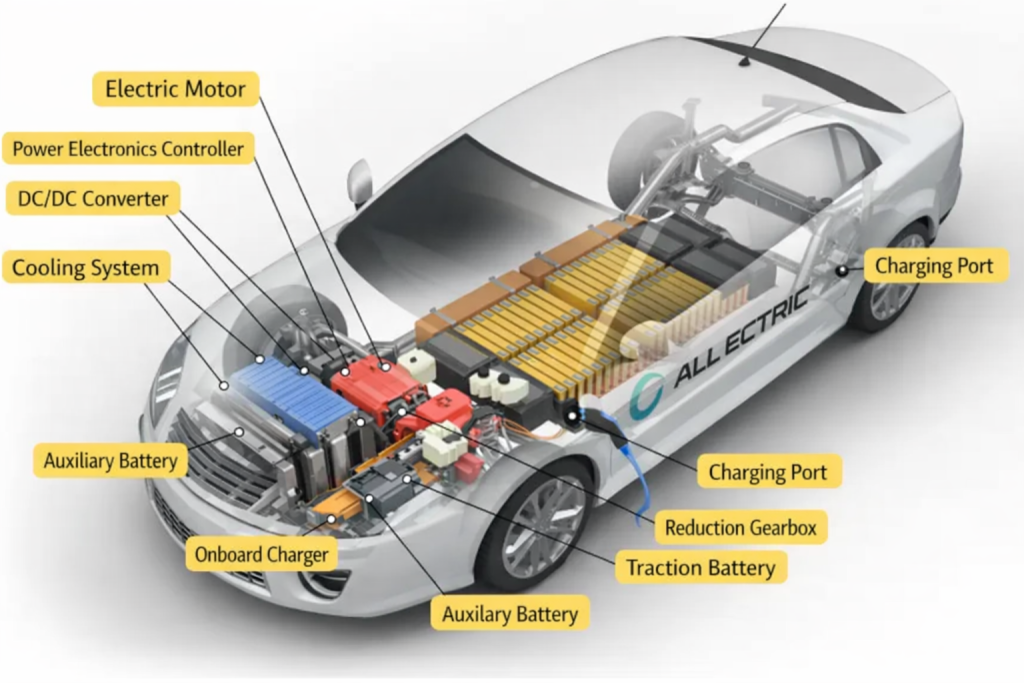
What does an EV have?
- a battery (a large “power bank” under the floor),
- an electric motor,
- an inverter (controls the flow of electricity),
- a reduction gear (instead of a traditional gearbox),
- an energy recovery system.
And… that’s basically it.
It does NOT have:
- a clutch,
- a conventional multi-gear transmission,
- a turbocharger,
- engine oil,
- many of the components that typically wear out in combustion cars.
How Does It Move?
1️⃣ You press the accelerator →
energy flows from the battery to the motor.
2️⃣ The electric motor delivers full torque instantly →
the car accelerates immediately (that’s why EVs feel so responsive).
3️⃣ When you lift off the accelerator or brake →
the car begins to recover energy and recharge the battery.
This is called regenerative braking.
👉 Instead of wasting energy as heat through the brakes, the car captures it and sends it back to the battery.
Why Doesn’t an Electric Car Need Gears?
An electric motor works very differently from a combustion engine:
- it delivers full power from zero speed,
- it doesn’t need to “build up revs,”
- it can operate efficiently across a wide speed range.
That’s why a single gear ratio is enough.
This is one of the main reasons why driving an electric car feels so smooth and seamless.
⚙️ Start-Stop System – Fuel Saving or Just Annoying?
This is one of the most underrated (and at the same time most frequently disabled) systems in modern cars.
How does it work?
The car automatically shuts off the engine when you are stopped:
- at traffic lights,
- in a traffic jam,
- during short pauses or maneuvering.
It then restarts the engine as soon as you move off.
✅ What Does It Actually Do?
In city driving, it can:
- reduce fuel consumption by 5–10%,
- limit engine operation while idling,
- reduce noise and exhaust emissions.
In other words, it achieves something similar to what a hybrid does — just in a simpler way.
❌ Why Do Some Drivers Find It Irritating?
- You may feel a slight delay when pulling away.
- It often activates exactly when you don’t want it to.
- Early versions of the system were less smooth, which led to a lasting negative reputation.
Modern Start-Stop systems are much faster and more refined, but the stereotype remains.
Fun fact:
Start-Stop is, in a way, a “mini-hybrid” — just without a large traction battery.
⚡ What’s Actually Great About Modern Automotive Technology?
✔ quieter and more comfortable driving in the city
✔ automatic transmissions = less fatigue on long trips
✔ driver-assistance systems that help on long distances
✔ genuinely lower fuel consumption in urban traffic
✔ smoother acceleration with no “jerking”
🚧 What Still Isn’t Perfect?
✖ electric cars require more trip planning
✖ charging infrastructure can be inconsistent on long routes
✖ hybrids don’t offer huge savings at highway speeds
✖ modern cars are more digital — not everyone likes that
✖ purchase prices are still higher than traditional vehicles
📌 One Last Interesting Comparison
In a traffic jam, a conventional car:
➡️ burns fuel while standing still.
A hybrid:
➡️ often uses no fuel at all.
An electric car:
➡️ uses about as much energy as… an electric kettle running.