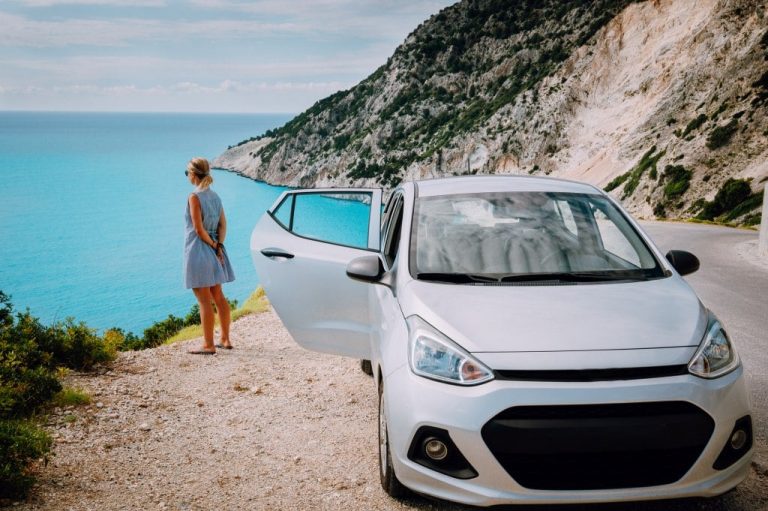
Most people, when planning a trip, think in a similar way:
“A car? Nah, I’ll manage without one. Taxi, Uber, public transport – it’ll work out somehow.”
And often… it somehow does.
The only question is: how much does that “somehow” really cost – in money, time, and nerves?
Let’s look at real-life scenarios.
Scenario 1: Weekend city break (3 days)
Let’s assume:
- arrival in the city (airport)
- hotel in the city center
- sightseeing + restaurants + one trip outside the city
🚕 Taxi / Uber
- airport → hotel: 60–120 PLN
- 2–3 rides a day: 40–80 PLN each
- return to the airport: another 60–120 PLN
Total:
➡️ 350–600 PLN
➡️ no flexibility
➡️ waiting, searching for a car, dynamic pricing
🚎 Public transport
- daily / time-based tickets: 15–30 PLN per day
- walking, transfers, timetables
- time limitations
Cost:
➡️ 50–90 PLN
➡️ but: loss of time + lack of comfort
➡️ zero option to “just go somewhere further away”
🚗 Car rental
- B/C class car for the weekend: 150–250 PLN
- fuel: 80–120 PLN
- parking (on average): 40–60 PLN
Total:
➡️ 270–430 PLN
➡️ full freedom
➡️ zero logistical stress
👉 Conclusion:
Without a car, you’ll spend a similar amount or more, but you’ll lose time and flexibility.
Scenario 2: Family vacation (7 days)
Family + suitcases + the plan “we’ll see how it goes”.
🚕 Taxi
- large vehicle = higher rate
- 3–4 rides a day
- trips outside the city? very expensive
Weekly cost:
➡️ 1200–2000 PLN
🚗 Car rental
- station wagon / SUV: 800–1100 PLN / week
- fuel: 300–400 PLN
Total:
➡️ 1100–1500 PLN
👉 Benefits:
- child seats
- luggage without playing Tetris
- no “will we fit?”
Scenario 3: Business trip / work travel
Here, cost is measured in hours, not just money.
Without a car:
- waiting for rides
- delays
- lack of control over the schedule
One lost hour = a real loss for the company.
With a car:
- leaving exactly when you need to
- several meetings in one day
- professional image
👉 A car is often cheaper than one lost hour of work.
Hidden costs of not having a car (that no one talks about)
❌ dynamic taxi pricing
❌ lack of availability during peak hours
❌ stress about “will we make it?”
❌ giving up attractions because “it’s too far”
❌ logistics fatigue instead of rest
These are costs you don’t see in your wallet, but you feel them very clearly.
When does not having a car actually make sense?
To be fair – there are situations where a car is NOT needed:
- 1–2 days strictly in the city center
- everything within walking distance
- no kids / no luggage
- no plans outside the city
But those are exceptions, not the rule.
Why do many people still not rent a car?
Because:
- they’re afraid of the deposit
- they had bad experiences years ago
- they think “it’s expensive”
- they don’t calculate the total cost of the trip
And the truth is that car rental has stopped being a luxury.
Today it’s often the most reasonable logistical option.
Summary: what does not having a car really cost?
💸 Money: often more than renting
⏱️ Time: always more
😵 Stress: incomparably more
🧭 Freedom: almost none
A car is not always a necessity.
But very often it is the cheapest way to have a comfortable trip.