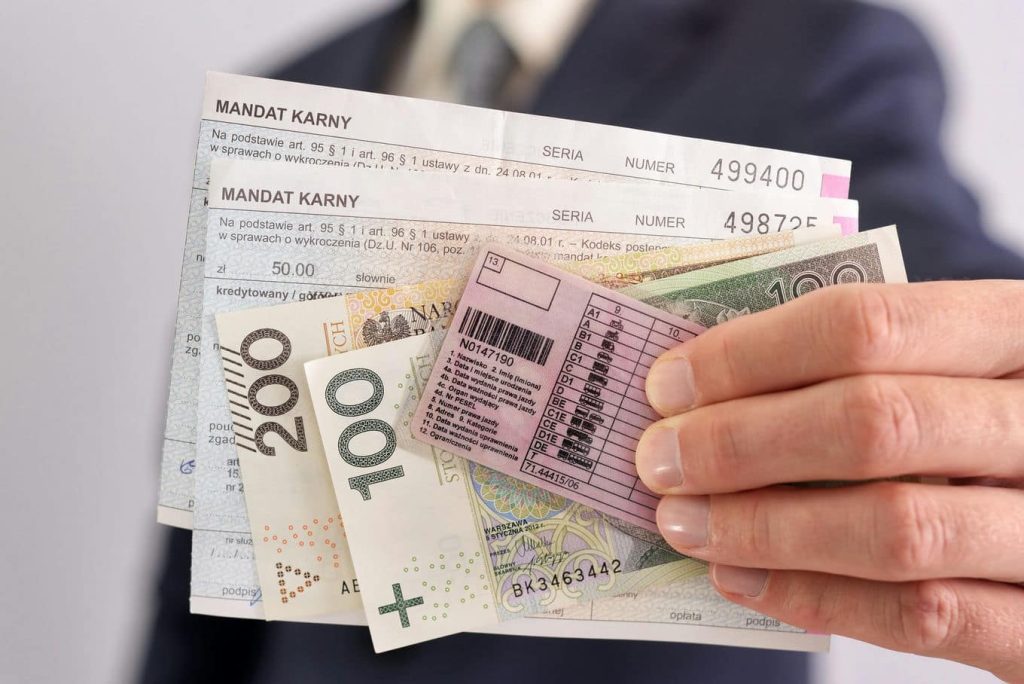
You’re back from your holidays. The tan is still there, photos are already posted, life slowly goes back to normal. And then it shows up… a letter. Thick, official, written in a foreign language. You open it and you already know: a ticket.
First thought? “This must be a mistake.”
Second? “No one stopped me.”
Third? “Do they even have the right to do this?”
Relax. It’s normal. And unfortunately, very often 100% legal.
1. Where does this ticket even come from?
In 2025, Europe is basically one huge network of cameras, systems and databases. If you think that no roadside stop means no ticket… well not really.
How it works step by step:
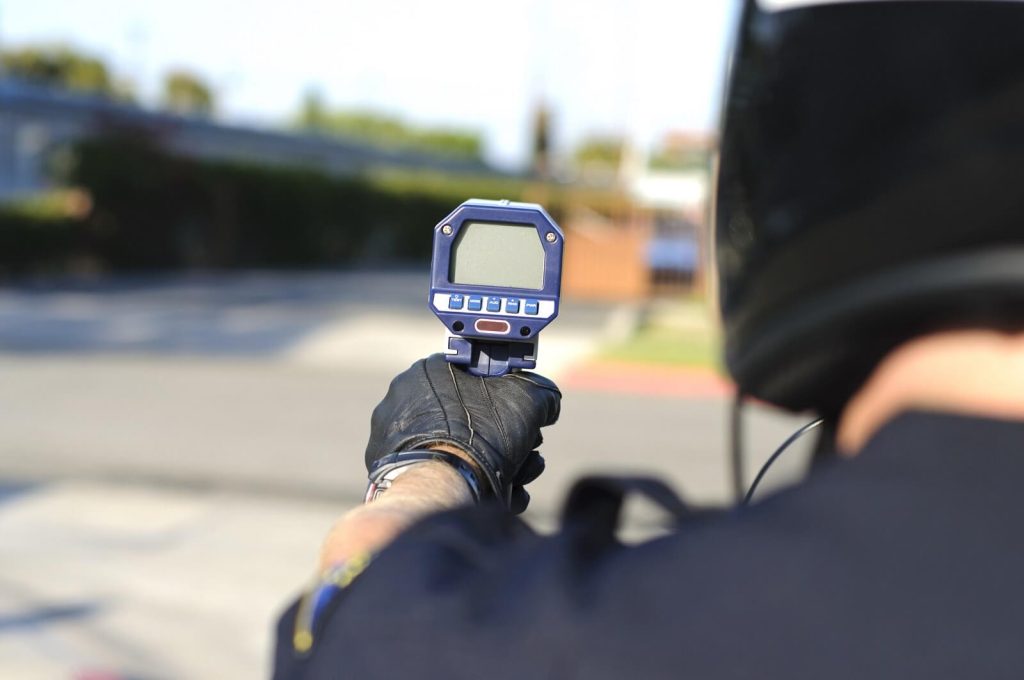
- A camera records the offence (speeding, no vignette, restricted zone).
- The system checks the license plate number.
- The car belongs to a rental company → the authority contacts the rental company.
- The rental company provides the driver’s details from the rental agreement.
- The ticket is then sent directly to you, often without any further involvement from the rental company.
Timing?
From around 3 weeks up to 6–8 months. Yes, seriously. It’s not spam it’s delayed karma.
2. The most common reasons for tickets (aka the classic “I didn’t know”)
There’s nothing exotic here — just the usual hits that come back like a boomerang. Most drivers get a ticket not because they were driving like road pirates, but because the systems are ruthless and the road signs aren’t always intuitive.
❌ No vignette
This is the absolute number one reason for tickets abroad.
Most common scenarios:
- the vignette wasn’t purchased at all because “there were always toll booths,”
- the vignette was bought, but for the wrong license plate,
- the vignette is valid from tomorrow, but the trip was today,
- the driver thought that “this small stretch of highway doesn’t count.”
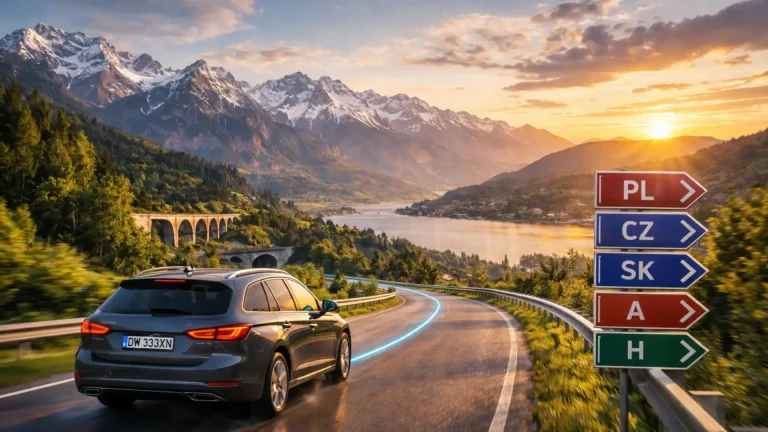
In countries like Czechia, Austria, or Slovenia, there is no leniency.
📸 Minor speeding
These aren’t tickets for going +40 km/h over the limit. These are tickets for:
- +5 km/h,
- +8 km/h,
- a brief acceleration on a ramp or downhill.
Often, the driver doesn’t even remember the situation because there was no stop. The camera took a photo, recorded the data — and that’s it. No discussion, no explanations.
🚫 ZTL zones (Italy, France, Spain)
The sneakiest type of ticket.
ZTLs are restricted traffic zones, usually in city centers. The problem is:
- The signs are small
- Often only in the local language
- Google Maps doesn’t always warn you
🅿️ “Quick stop” parking
A classic holiday mistake.
Most common errors:
- No ticket because “I’ll be back soon,”
- Parking outside the designated hours,
- Spot reserved only for residents or hotels,
- Incorrect or unclear road markings.
In many cities, there’s no note left on the windshield. Instead, there’s a photo, a report, and…
3. Who pays for it?
Short and simple, no beating around the bush:
👉 the driver, not the rental company.
The rental company:
- does not take on the ticket,
- does not negotiate it for you,
- may charge an administrative fee for providing your details.
It’s not a penalty. It’s just the cost of handling the process.
4. How to pay a ticket from abroad?
In the letter, you will usually find:
- the amount,
- the payment deadline,
- the account number (IBAN),
- the recipient’s details.
Payment options:
- international bank transfer,
- online system (increasingly common),
- sometimes a discount for quick payment.
⚠️ Ignoring it = interest + international debt collection. And yes, this works across EU countries.
5. What if you think it’s unfair?
You have the right to appeal. But:
- deadlines are short,
- the local language is required,
- formal tone,
- evidence must be on your side.
Examples of a reasonable appeal:
- The vignette was purchased (you have proof),
- The car wasn’t in that location,
- Data error.
Examples of weak appeals:
- “I didn’t know,”
- “I was a tourist,”
- “Google Maps led me there.”
Brutal truth? For small amounts, it’s often cheaper to just pay than to fight.
6. How to avoid a ticket next time?
There’s no way to be 100% safe, but you can minimize the risk to an absolute minimum.
Common-sense checklist:
- Buy a vignette immediately after crossing the border, even if you’re only planning a short stretch,
- Always check the license plate number before confirming the purchase,
- Take a screenshot of the confirmation and keep it until the end of your trip,
- In cities, watch out for restricted traffic zones and don’t blindly trust navigation,
- If a sign is unclear — don’t enter,
- Park only in places where you are 100% sure parking is allowed.
Most important rule: 👉 A rental car doesn’t give you any discounts. Cameras don’t know you’re a tourist.
7. The rental company isn’t the villain
If a ticket arrives after some time:
- it’s not a scam,
- it’s not a “hidden fee,”
- it’s simply the result of regulations and automation.
The car was rented responsibility is assigned. No hard feelings.
Summary (in short, since you made it to the end anyway)
- A ticket from abroad can arrive long after your holidays,
- No roadside stop ≠ no ticket,
- The driver pays,
- Ignoring it is the worst option,
- Next time — vignette + vigilance.
Unpleasant? Yes. Normal? Also yes. Manageable? Absolutely.